Pain in the Wind: Cherished Moments of Delicious Relief

Photo by Darius Bashar on Unsplash Relief. Relief is the experience when something unpleasant or distressing ends. An underrated emotion, we sandwich relief between pain and joy, never resting on that moment. We skip it, preferring to whine about the forgone pain or move on to the next tribulation. But I ask: what’s better than relief? The sigh escapes your lips and you are free. You can move on. I recently experienced major relief – and got to thinking about what moments in life create that big sigh release of internal pressure. “Relief is a wonderful emotion, highly underrated. In fact, I prefer it to elation or joy. Relief lets the air out of the Tire of Pain.” — Adriana Trigiani We need to celebrate relief. So let’s. We feel relief when: The flight attendant moves the big guy next to you to another row. The road is empty of expected traffic and you will make it to your appointment on time. The traffic is only that guy with the “slow” sign and what you thought was a twenty-minute delay is only two. You print (or post) your finished paper or assignment or project. You have tea. You sleep. Shaking the ink cartridge at three in the morning allows that one last copy when you waited until the last minute to finish your paper, assignment, or project. Your solution to a math problem is correct, and you know why. The snow is only a dusting. The snow is seventy inches, and the world has closed down – especially on the day of the major test or presentation. It doesn’t rain on your wedding day. The snow on your wedding day turns into rain. You fit in your wedding dress. Aunt Diane doesn’t attend your wedding. Even though she threatened to come out of obligation to your Mom. Yes, she’ll be there. And she will try to keep her opinions to herself… The message from that unrecognized number is a reminder about your car warranty. The pink line on the little stick doesn’t appear. The pink line on the little stick appears. Your French teacher does not call on you. The department of motor vehicle clerk calls on you. The screaming baby in aisle six falls asleep. The screaming baby in aisle six is not your baby. This time. The scale registers a two-pound weight loss. The scale registers a ten-pound weight gain, but you find the scale is mis-calibrated, and you lost five pounds. The cop entering the coffee shop doesn’t recognize you and buys a doughnut. The cop enters the coffee shop at the moment a creep decides to rob the place. He finally texts you. He stops texting you. You get your period. The hot flash ends. You never get your period again. The calamine lotion soothes the bug bites. You arrive at a solution to a difficult problem in that ah-ha moment. The morphine kicks in after you press the button next to your recovery bed. All the lights on the Christmas tree light the first time. Finding, on the first pass, the one dead bulb on the string of Christmas tree lights. There’s enough Vagisil to get you through the night. There’s enough Viagra to get you through the night. The rash is not syphilis or herpes. Grandma survives the surgery. Grandma dies. The restroom in the mall is right there. The rest stop on the highway is in a mile. The airport restroom has enough stalls to accommodate the queue of six-hundred women and screaming children. Your Covid test is negative. Your partner’s Covid test is negative. You spot the spelling error in your resume before you send it. You clean out your inbox. You get the interview. You get the job. Your boss adopts the procedure you hesitated to recommend. Your procedure proves to increase the profit margin. You get the promotion. You don’t get the promotion. You receive that raise right after you commit to a two-year balloon mortgage. You quit that job. You remember to put the garbage out. You have no garbage to put out. You check done on a to-do item. The eagles carry you from Mordor. The lump is just a fatty cyst. The lump is the cat you thought got outside when your thoughtless roommate was finally taking out the garbage. The last package of chicken smells okay. The IRS notice says they’ve waved the penalties and dropped the matter. You apply lip balm onto dry lips. You reach the tickle between your shoulder blades and scratch away. It’s four a.m. and you find the hemorrhoid cream in the depths of the medicine cabinet. He gets down on his knee and asks after years of waiting, and waiting, and waiting…. He signs the divorce papers after years of waiting, and waiting, and waiting. The constipation… passes. The diarrhea… passes. The kidney stone… passes. Your third grader passes Math. Your inhaler works. Your name isn’t drawn in the Hunger Games lottery. Your angelic baby sister’s name isn’t drawn in the Hunger Games lottery. You find your winning lottery ticket. You should stop leaving items in your pockets when you toss your clothing in the laundry basket. The doctor’s office answers the phone. The model-chick is his sister. Your baby’s fever breaks. Your child laughs after a fall from the swing. Your car starts. You locate the code that broke the website. You were not the programmer to add the violative code to the website. No one saw your post. Everyone saw your post. The website wasn’t live. The tornado skips your town. The tiger eats your guide and not you. The check didn’t bounce. The check is in the afternoon mail. The overnight package makes it to its destination. A listicle finally ends.
Roaring is Boring, Boasting, Bullshit

Another quiet Sunday. Another excuse to digest two or three books. Recently, to fill a dull day and to maybe get some Gen X advice as I move into a new stage of my life, I grabbed Roar: Into the Second Half of Your Life. What garbage. The author boasts: Discover how to make the second half of your life happy and productive with this perceptive and inspiring guidebook that will help you achieve your dreams and get more out of life—whether or not retirement is in your future plans. The idea intrigued me. With my retirement from the law and my venture into life as a full-time creative, I thought author Michael Clinton, a super-successful creative in his own right, would have great advice. Clinton was President and Publishing Director @ Hearst Magazines, a published author, a popular photographer. And a philanthropist. Good guy. Very impressive. And the book becomes a drawn-out self-celebration of this silver-spoon boy: I did this. I did that. I achieved this. I won that. Puke. Worse, the story examples he uses to inspire the reader are all people who live in his high-earner circle. How these well-to-dos leave executive positions to become artists and humanitarians. And all of them are healthy and financially secure. Sure, in that economic stratus, you can afford your insulin or even your regular medical check up. Well, isn’t that special. I need a book to help this blue-collar chick – and other GenXers like me – who come from nothing and want to celebrate and succeed well into our 90s. Hey, Michael? Take your boasting to your next fru fru cocktail party. No, I didn’t link to his book. Because he loves himself enough. Image courtesy of Glen Carrie on Unsplash
Stand Out in Your Market: 12 Sweet Branding Trends

Photo by Dollar Gill on Unsplash If I see another boxy advert, without movement or life, I will scream. Sure, if you have a super-conservative brand (think bank, investment firm, attorney, auditor…), and you want to SCREAM “tradition, we never change, steady as a rock, fun-police,” then it’s your role to be dull blue-suit no personality. For the rest of us, attracting live clients and customers is an exciting challenge. So, step up and look at this year’s brand trends: Example: You are about to release your summer recipes. Try a poll: What’s your favorite summer dessert? We’ll feature the winner on the book’s cover! Best in Class: Heineken’s Go Places interview to learn about their applicants. You can take the interview here. 2. Daring Nostalgia. Incorporating bubble-gum colors (blah), neon and chunky fonts, mascots like Mr. Peanut, and psychedelia are in. Think 50s, 60s, 70s and 80s. Reference yesteryear and earn points. Example: Show a video of photo developing next to a video showing image editing. Talk about the possibilities. Best in Class: Adobe’s love of Bob Ross. 3. Powerful Use of Color. Impactful, clashing, and contrasting tones (like my brand colors) will stand out. The goal is to boost instant recognition. Example: You may not want to rebrand and change your company colors, but you can incorporate powerful colors in your advertising. Best in Class: Pantone’s Viva Megenta. 4. Anti-design. Return to the 90s, mix things up — break design rules with blended font families, misplaced pixels, and overlaid visuals. Think grunge, rave, and controversy. Best in Class: Too many to mention! 5. New Eco. We want to protect the planet. But we are setting aside the green and brown go-to and focusing on minimalistic design. Think elegant and understated. Recycled packaging. The vital point: Your product must be eco-friendly or your branding will fail. Best in Class: The Body Shop Example: Consider eco branding for personal care products, clothing, food, and gardening businesses. Stress your recyclable packaging! 6. Animated Logos. Think the Google “G.” Video has long topped still images. The same is applying to logography. Think liquid and alive. You can find programs online, like Canva, to help you animate your current logo for digital use. Best in Class: Lots of examples from 99 Designs. 7. Statement Typography. Mismatched fonts, motion effects, and odd placement are key. 3D typography and san serifs are alive and well. For inspiration, peruse these fonts from Juke Box Print. 8. Humanized Brands. Along the authenticity train track, get raw, honest, and candid tone. Speak true. Be honest. This trend directly connects with customer and client values and is a key to relationship creation and maintenance. But you don’t need to change your brand strategy! A shift in your approach in your advertising and on social media can show your human side. A simple behind-the-scenes video or photos from the company picnic can do the trick! 9. Humor & Satire. A direct route to humanizing one’s brand, the use of humor and satire builds authentic conversation and relatability. Best in Show: Dollar Shave Club and Dissolves Generic Millennial Ad. 10. User-Generated Content. Invite your customers and clients to post their experiences–visually and verbally. Not only does this build connection through a conversation, but also intensifies loyalty. Your customer becomes part of the plan. Example: Work with your web designer or social media manager to incorporate an interactive platform. Encourage customers or clients to respond to questions or enter contests with images and video. Amazon has mastered this tool by encouraging customers to post images of purchased products, no matter the experience! 11. Mission First Branding. Akin to eco-branding and humanized branding, mission first branding uses company values throughout all efforts. Example: You have donated a portion of your profits to animal shelters for twenty years. Let your customers know! Use a puppy mascot — tell how you helped. Just ensure you aligned your effort with your brand (don’t boast you are eco-friendly and dump chemicals in the nearest river!) Example: A photographer friend specializes in professional headshots and school photography. For teacher’s day, she provides free headshots. She discounts birthday sessions for students. She offers sessions at the library on reading days — family and education friendly! 12. Retro Collage. Tare the edges. Randomize your images. Mix your media. Chanel is embracing this trend, so I guess it appeals. Get some stickers. Here are some great ideas to inspire you. I’m not a big fan. But I also refuse to scrapbook no matter who invites me to one of those scrapbooking groups. Which leads me to my last point and characteristic reflective, possibly disregarding, opinion: Trends are fun–but if you cannot incorporate a trend effectively into your brand identity or marketing plan, skip it.
Successful Entrepreneurs Know: Brand Before Business – or Bust!

Photo by pmv chamara on Unsplash You had so much energy and joie de vivre when you launched your business. This morning, you surf the classifieds to find a j.o.b.. The wind is gone; your sails are flaccid. You had a good idea. You gave it the college try. Wait. As a business coach and content expert, I’m going to ask you the right question: What is your brand identity? Huh? You heard me. You know what product or products you’re hawking. Or what services you provide. You set up the website. Got the fancy digital business card. Paid Mark Zuckerberg for social media posts. You did SEO. You did everything right. And most importantly, you are an expert in your field. Or your product is beautiful, useful, fabulous. You should be a billionaire by now. Nope. You know why? Because you didn’t work on your brand identity first. Rush to Failure I’ve been an entrepreneur for over thirty years, have six successful ventures behind me, and three operating now. I have coached hundreds of entrepreneurs. Almost every new business rushes to the market without knowing the market and how they fit in the market! This is a simple matter. Basic communication. The meaning of any communication – marketing included – rests with the person listening. Not with you. Not with the business. But with the consumer. So, you must learn to talk to that person in a way that person expects and wants. And they have to want to listen to you. Don’t bother printing business cards or paying for a year of website hosting until you know who you are, who your customers are, and who you need to be to engage those customers in conversation. Marketing gurus call this step: Branding. What is Branding? Branding is the communication choices that you make to represent your brand. Your brand is the personality you choose to connect effectively with your audience’s values, attitudes, and emotions. Branding differentiates you from competitors, nurtures recognition, enhances value and customer relationships, and ensures create cohesion. Which company would associate with this image: Disney or Harley Davidson? (Open Source Image from WebstockReview.net) That’s obvious. Sure. But every company strives – or should strive – for those powerful associations. You know who they are – and you know, as a consumer, if you like it, want to be associated with it, or want to buy from them. Some of this, you already know – but you were so excited to make money that you jumped and figured you would do all that branding stuff later. Whoops. No worries. Spilt milk and more cliches. We’re human. You can fix this! In 2016, I started my photography side-hustle. For a while, clients dripped in through referrals… but I wanted the business to be more than a side-hustle. So, I launched a website, created business cards, blah, blah. And nothing. Crickets. More cliches. Ready? Physician heal thyself. I know Branding Before Business. I’ve advised every client to do just that. But I rushed to market and failed. No matter the industry, branding is the key to business success. Every business needs a brand identity: the design elements, word choice, color scheme – even the business name – to attract the target consumer. Branding includes personal branding, corporate branding, product or service branding… Every communication that originates from your business should be cohesive to that brand choice. Your business has seven seconds to make that first impression. To stand out in the crowd. To capture your target customer or client. Or that consumer will swipe and forget you. You must ensure you are speaking your special person’s language. Just like you are about to do, I grew my business with solid branding. What to Do? Branding takes effort – which is why most budding entrepreneurs skip it. Consider simple communication: You have to craft what you say to help the listener understand you. If you use slang with grandma, she’ll frown. If you use formal language with friends, they’ll laugh at you. It’s not… another cliche… rocket science. But it is vital. Step 1: Be Authentic You need to know who you are and what values you hold. I don’t state that lightly. What’s your personal brand? Are you a person of integrity? Are you fun? Are you serious? Are you down-to-earth or posh? What are your priorities? What needs are important to you? When branding my photography business, I took a weekend and seriously examined who I am as an artist. My photos are not light and bright. I prefer action and capturing candid moments. I detest canned, cute poses. Detest. I’m edgy. Honest. Raw. Realizing this bothered me. All the other local photographers were light and bright and had these cute, pretty images. They were making money. I was scared. But I forged ahead. I can’t be cute and soft. It’s not me. And selling it would be impossible for me. List your values. Note your attitudes on social topics. Make a list of brands you admire – and consider why you admire them. Step 2: Identify Your Customer or Client Persona Who’s buying your product or choosing your service? This is an important step. Once you have clearly defined your product or service, answer these questions: Here’s my abridged client profile: My ideal client is a male or female GenX who enjoys being different. They listen to alternative music. They don’t have that 9-5 corporate job. They like adventure and take risks. They are entrepreneurs or have side-hustles. Top middle class. Very authentic. Anti-establishment. They rage against authority and don’t vote the party ticket. They are self-educated or traditionally educated but know a degree is what you do with it (cognitively complex). They are self-sufficient and self-made. They care about personal freedom. They don’t care about social media unless it’s memes or satire. They enjoy life and choose excitement over the popular. They respect authenticity and honesty. They buy lingerie and sex toys, sports equipment, motorcycles, have high
The Night Watchman

I admit. I’m a literature nerd. In bookstores wander past literature and Pulitzer or award-winning tables and point: “Read that. Read that. Read that twice. Yup. That, too.” My family gets eye cramps from the eye-rolling groans. No, I’m not typically a follower of popular anything (Molly Cyrus, who?), but when it comes to books, I have found the reading army can judge genius versus tripe. So, I picked up the Pulitzer winner: The Night Watchman. Admittedly, this book was published years ago (2020), but it takes me time to catch up. (I have, at any one time, over 60 books in progress…) Louise Erdrich penned this historical novel based on her grandfather’s experience during the Native American Chippewa (Ojibwe) fight against government dispossession in the 1950s. Congress offered a bill to “terminate” tribes. Couched in “we’re the government and we are here to help” terms, the bill is meant to cut funding and capture land. Period. How a government decides whether a people can exist as a people is beyond this anarchist’s reality, but I digress. The plot follows several characters and explores life and living of Native Americans in the 1950s. The writing is excellent. The story is engaging. The tribulations and challenges were and are still very real for indigenous people. The touches of day-to-day life, food and traditions, are beautiful. And I was bored. Yes, yes, I know. I’m diverging from 99% of the reviews. But I had to struggle through most of the book. And I felt cheated. This book relies on its connection to real people and history – and leans on diversity. But it does not deliver a great story. I loved the main character, Thomas Wazhask, and wanted to hear about him. His struggle with the government. His experiences. His dedication to his people and his awareness of government intent. I adored Millie Cloud, the educated professor who assists Thomas with her economic research. Brilliant, sensitive, and evolving character. The rest of the novel, I found an effort to be some tween YA exploration of dating. And fashion. Yawn. Some of it is just plain weird. One of the lead characters, a nineteen year old (Patrice, aka Pixie), attempts to find her missing older sister – but takes a job at a bar wearing a blue ox costume and swimming in a tank. I just don’t get it. And I don’t care. It was unrealistic. An unsophisticated child is able to survive, without being violated or assaulted, in the city underworld? Stop it. And why add this plot line? These digression sagas frustrated me. Where is Thomas? What’s happening with the congressional attack? I want to be burdened by the political challenge. And while the personal lives of the family members are throughout, I don’t think Erdrich presented a meaningful picture of the challenges or beauty of the Native American people. This book missed the mark for me. (Image courtesy of Andreas Wagner on Unsplash)
Marketing Magic: Hit ’Em Where They Need It

(Image courtesy of Anastase Maragos on Unsplash) You are a content creator or marketing expert. Perhaps you’re an entrepreneur. And high-ticket marketing efforts carve out a pound of flesh from your budget. Often, your ads and posts, commercials and pitches, miss the mark. You post, you pay for ad space, you cut checks for your 1099 marketing consultant…and the phone doesn’t ring. We’ve all been there. If you want to maximize your marketing impact, spend some time understanding your target customer or client. Marketing experts chat about identifying your customer or client persona. This basic concept — proven over and over — is that once you know to whom you are selling, you can craft your message to attract that person. Those same experts advise you gather demographic information (age, gender, income), career or education data, hobby data. And that’s all good. Yes, if you are selling hot dogs, you might want to place your ad at the next ballgame — so you want to find the baseball fans. Yes, that’s great. If you are selling luxury cars, you want to find your high-income customers. Economic data is important. Each of these aspects of that customer/client persona allow you to market right place, right time, to those who want and can afford your product or service. Yes. But that demographic data will only take you so far. It tells you where the person is. It informs as to other behaviors he or she may exhibit. Demographics tell you some likely problems seeking your solution. Yes. You want to stand out? Close every sale? Then take the next step. I advise my clients to add personality characteristics to their persona description. Personality characteristics include risk tolerance, cognitive complexity, and temperament. And personality characteristics let you get inside your customer’s head. Respect Human Needs Preferences I’ve written many articles about universal human needs (Your Personal, Powerful Needs Formula, Seven Keys to Happiness & Balancing Your Needs) and a system I call NAM — the Needs Alignment Model. I wrote these as an invitation to coaching, yes, but also as a cornerstone for my content clients. You can get detailed information from those other articles. For our purposes, understand that every human — no matter demographics — has seven universal needs: Marketing experts know this information — and use it to help you craft your problem / solution approach. The consumer is concerned about personal safety, so you sell them an alarm system. The consumer is concerned about personal appearance, so you sell them makeup or a cool watch. But that’s just the surface approach. Try these ideas: Respect Cognitive Complexity Over the years, as a business consultant, professor, and attorney, I’ve also written extensively about how to persuade others. (See recently: Touch Them!and Persuade Them Powerfully) I’m pretty damn good at it and have sworn to use my powers for good. But here’s something I don’t always share: Most people think simply and are swayed emotionally. So drop the facts and logic. Sometimes. Cognitive complexity is the psychological characteristic that measures the simplicity or complexity an individual’s perception and processing. Cognitively complex people perceive nuance and interpret the world along continuums. They process information across intricate mental webs. Cognitively simple people do not. As an example: Your team must vote on a new logo and they are presented with two options. The cognitively complex person will consider an unfathomable amount of data. She considers history, other companies, color, shape, music she likes, other ideas that failed or succeeded, how the logo will make others feel, how the logo performed in focus groups, and how the logo will be interpreted in a dystopian future. The cognitively simple person will react emotionally: I don’t like the green tone. Or, Wow, that’s pretty! Why should you care about cognitive complexity aside from dating a person who is cognitively similar? Because when you are romancing your client or customer, you are not selling to a cognitively complex person with an emotional appeal. You need more. You need logic and facts and data and… sound reasoning. You want that person using the web inside his mind. And you want to satisfy all his questions. As a cognitively complex person, you can get me to testdrive the sexy red car because I am a human and have emotions (somewhere in here…). But I’m not parting with my dollars until you show me the data. Because when I’m driving that car, the web of information in my head is exploding with questions that need answers. Respect Consistency Humans universally yearn for behavioral consistency. If Sally is a vegetarian, you are not selling her a steak anytime soon! She can’t eat meat and maintain her self-image. She must maintain consistent attitudes, values, and opinions. We call this attitude consistency. And you have to shift an attitude to shift a behavior. You’re selling organic toothpaste? You have to sell the value of organic first. You have to change that attitude. And that’s where you must respect the human proclivity for consistency. Let’s take an example: Fred always goes to the local-smocal tax prep guy who has one of those cubicles at the food market. You’ll discover Fred chooses this because it’s cheap, convenient, has had good results in the past (the IRS is not hunting him). So, you are not selling Fred a $500 tax advising service. No matter Fred’s demographic profile. Even if he’s a millionaire. What you do is sell Fred on cost, convenience — and trigger his security need. What are the percentage of audits for those grocery tax prep places? Oh, Fred… you are in danger! Then, you sell him a small step he can tolerate. Don’t expect him to flip and hire an accounting firm. Sell him a tax review package for $80. He’s likely to change that little step. Ultimately, if I were advising that client, I’d ignore Fred. It’s too much work. Focus on the customer that is already behaving close to what you offer. Focus on the client who is unhappy with his accountant. Who got audited after going to the market… Who’s almost sold.
Make Your Customers Cry, Shiver, or Laugh – Or Lose Them

Photo by Tengyart on Unsplash We’ve all seen the American Society for the Prevention of Cruelty to Animals (ASPCA) End Animal Cruelty commercial, starring Sarah McLachlan and her song Angel. The commercial, an example of an emotional appeal to trigger the cognitive bias of an identifiable victim, haunts us with images of shivering, starving, abandoned kittens and puppies. Most of us change the channel to avoid the pain. (I can’t watch it. I’ll cry for an hour!) But most of us donate to stop the pain. Because emotional appeals are a highly effective marketing approach. Emotional appeals (aka appeals to emotion) are a route to appeal to pathos. Aristotle insisted persuasion must use data from a credible source (ethos), a powerful argument (logos), and emotional appeal (pathos). We are humans, after all, and we have to care to be motivated to change our mind or behavior. But strict emotional appeals avoid facts and data and rely upon triggering an emotional response in the receiver. Emotional appeals force the receiver to use emotional or affect processing (as opposed to central or cognitive processing). For most consumers, marketers rely on emotional appeals as a more effective form of persuasion. Cognitive processing (logic) takes time, high interest, basic knowledge, and significant energy to think through the persuasive message. Most receivers do not have: (a) the cognitive ability to process complex messages; (b) the time to process (why time pressure is an effective sales approach); (c) the energy to process (I don’t care, I just want that car!); or (d) basic knowledge to process additional, complex data. Marketers can (and do) take advantage of this human foible using emotional – or motivational – appeals. To help you sell your widget, I’d like to share the science behind reaching your customers’ hearts. Motivational Appeals Emotional appeals include appeals to: happiness and joy, sadness and grief, humor, tradition, pride, connection, anger and outrage, compassion, adventure, popularity, sex and romance, lifestyle and status (including association), youth and appearance, and fear. Motivational appeals stimulate consumers’ internal incentives – their values, beliefs and attitudes – and their external incentives – through social proof, societal standards, and tribe expectations (others are doing it). The consumer does not buy or engage you for service because he or she thinks doing so makes sense. He or she does it because everyone else is. Because you share their emotional experience. And considering marketing is becoming increasingly emotional and connection-based, you can set aside the product is better logic for the product makes you feel approach. Consider if the ASPCA had no starving puppy video and only a guy in a suit who says, We need 1.5 million dollars to purchase food, to obtain medical care, and to re-home abandoned and abused animals. If you give us $30, you can save an animal. Yawn. The Sarah McLachlan masterpiece raised 30 million dollars in the first two years. Appeals In Action Joy: Coca-Cola received over 100,000 positive letters praising their “I’d Like to Buy the World a Coke.” Anger or Outrage: The Run Like A Girl commercial from Always redefined like-a-girl into a positive affirmation. Appearance: Dove’s Beauty Sketches helped women reconsider self-perception. Sadness or Grief: Chevy’s Maddie commercial subtly shows their vehicles last a lifetime. I’m sure your mind is listing commercial after commercial where you had an emotional reaction. There is nothing inherently unethical with marketing and advertising appealing to emotion. Ethical implications occur when the company behind the feelings offers nothing but those feelings – manipulating consumers or avoiding facts and figures. The trend is to do exactly that. Therefore, when using emotional appeals, use them ethically. Don’t manipulate your customer or client into choosing you or yours. Ethically use emotional appeals alongside logic, facts, and reasons for buying from you or using your service. Fear Appeals: An Example Fear appeals are a subset of emotional appeals. Fear appeals are only effective if the receiver knows (a) she has or is at risk of a serious problem to be solved; (b) believes she can solve the problem (is not hopeless or guilt-ridden); (c) is offered a viable solution (believes the solution will work); and (d) believes she can implement that solution. If a non-smoker sees a smoking cessation ad, she doesn’t feel at risk and ignores the appeal. If a smoker sees the ad, but thinks smoking is helpful, she will negate the ad as a non-problem. If the smoker who sees the ad feels like nothing works to help her quit, she will ignore the ad (and, in fact, the appeal will backfire). If she is engaged but thinks the solution won’t work, or won’t work for her, the appeal will fail. Fear appeals can trigger too much fear where the receiver feels hopeless or so fearful, it causes the “freeze” or “flee” (avoidance) responses. So, fear we must carefully craft a fear appeal to ensure a balance between triggering enough fear while still ensuring the receiver feels empowered. One of the most successful fear campaigns was the CDCs “tips from smokers” series–with people who were suffering from lung and throat cancer. How can you use a fear appeal in your own marketing? You get the idea! Now, it’s your turn. What emotional appeals match your product or service? How can you incorporate appeal to emotion in your marketing?
Don’t Panic Post Everywhere: The Why of Social Media Management
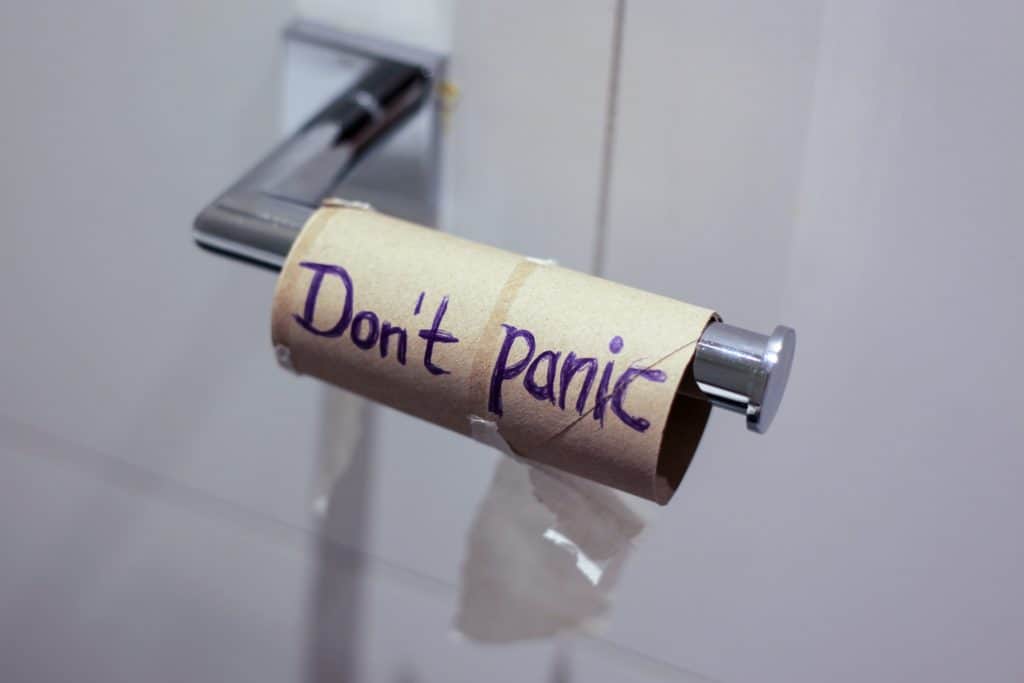
Photo by Jas Min on Unsplash For so many of my clients, primarily Gen X entrepreneurs, posting on social media is a source of panic. They are aware they should be, have to, need to, to keep up with their competitors. But doing so is daunting, time consuming, and confusing. Let me clear up some misconceptions, give you assurances, and teach you a few key points so you can handle your social media marketing with confidence! Social Media is One Channel Communication requires the sending of a message across a channel. For any company, marketing channels are many and varied. The main categories are three: voice (face-to-face, telephone), print (periodicals, circulars, billboards, posters and fliers, brochures, business cards), and digital (website, email, SMS/text, internet ads and posts). Each channel has its own challenges – and digital can be the most daunting! For many entrepreneurs who grew up in a non-digital environment, the concept of posting on social media induces anxiety. First, they’re not sure what message to send. Second, they aren’t tech savvy. And third, they don’t have time to keep up with it. So, they ask why do they need to use it at all. Why Social Media? Understand that our business culture has shifted to a relationship model. Consumers no longer want to be talked at: They eschew print ads, radio ads – Crazy Eddie screaming at them! They want to talk to the business. They want to feel part of a team. Our ever identity-focused culture demands businesses acknowledge the consumer as a unique person. Social media facilitates that connection. You post an ad for your new widget. Or you post a sale notice. Great! But it should not stop there. You must rethink your approach to marketing. This is not 1975. You are thinking you can post it and the customers will burst down the doors, credit cards ready! Nope. Social media posting is not a spray and pray activity. You can’t randomly share posts you like and think that’s enough to establish credibility and qualify as a social media goddess. No. Why bother at all? When you post that ad to social media, you must invite likes, follows, shares, and feedback. If you are posting without a plan, you are truly wasting your time. And, contemporaneously, communicating to the market that you don’t know what you are doing, do not understand modern culture, and don’t care about them. Without getting too professorish, communication is not one way. In fact, communication theorists once thought of communication as a one-way exchange, akin to a photograph. But that’s not reality. Communication is more like a movie or video: Person One sends a message across a channel to Person Two. Person Two then responds across the channel with feedback to Person One. And so it goes. Every effort you make on social media should facilitate that transaction. The Challenge “It’s too much,” my client, who I will call Larry, told me recently. “I’m supposed to create this ad or video or blog or whatever, figure out how to get it up there, track how well it does, answer everyone who comments or asks a question – and I’m supposed to do this daily? I’m running my business. I don’t have time. TikTok videos. Creating a YouTube page and videos? What the hell are Reels, anyway? And Facebook and Pinterest. I just about mastered posting an article a year on LinkedIn – and then my friend said I should be Tweeting daily. Are you serious? But I tried and was on the computer all day instead of selling my widgets. Who does that help? Sure, I got twenty likes and lost three days of sales. The whole thing is stupid and a waste of time.” Larry is not alone. To those of us who grew up with radio ads and newspapers, with salespeople at our door selling shoes or vacuums, the social media thing is too foreign. The mastery is evasive – and with time so precious, most entrepreneurs hire some social media guru to handle all of it only to find the dude or chick disappears with the entrepreneur’s $3,000! One of my friends hired a web developer to create the website and set up and manage social media. After fourteen months, her business still does not have the website. She’s at her wit’s end: “I’m relying on our Google and Yelp listings. The website lady keeps telling me she’s almost done. I just don’t have time for this!” As an entrepreneur, you must pick your battles and spread your dollars for maximum return. You may need an expert to create your website. But your social media? You can set that up and run it in a short time with an exacting effort. Here are your steps! Where? What Social Accounts You Need As a sophisticated business owner, you wrote your business plan and your marketing plan. So, you’ve done your research and described your customer or client persona. The persona is a description of your ideal customer or client. It includes demographic and personality data. Who is this person? Age, gender, marital and family status, economic status, education level, and so on. You know what this person values. Do they care about religion? Their country? Family and friends? You know where they donate their time and to whom they make political contributions. What music and movies they like? What they wear. Where they vacation. You know their temperament and how they satisfy their needs and wants. You get the idea. You should also discover what social media your ideal client prefers. Are they on YouTube watching home improvement videos? Do they post vacation images on Instagram? Do they use Facebook daily? Weekly? Never? Much of this depends, generally, into which generation your ideal client or customer falls. Socio-economic status and education level is also important. Do some research and figure out where they are. Let’s take a Gen X baseball fan. You will find him on the
Savage Wisdom
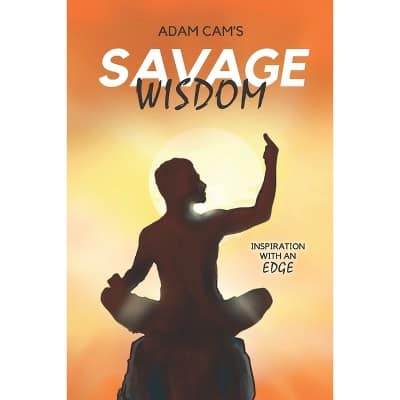
Adam Cam is my tribe. I had followed him on social media and, on a whim on a boring Sunday, decided to pick up Savage Wisdom. I read this coaching, self-improvement book in a few hours. While it boils down to a series of bullet points Cam already highlights in his social content (a bit lazy when I think Cam could write a denser work), his advice is spot on. His bullet point with illustrations approach works. And that’s his f’ng point. He coaches the way I coach. No bullshit. Our world – especially the mental health and self-improvement arenas – are filled with hug-yourself victim advice. That poor you approach does nothing to help you become stronger and healthy. Take Cam’s advice: Quit Bathing in Shit: Having a victim mentality is like bathing in your own shit and wondering why you smell. Learn to Love the Sound of Your Own Feet Walking Away from the Muthafuckas who are no good for our head, heart and soul. As you can tell, Cam’s approach is not for the puppy-huggers. He’s raw, honest, and offers advice that will help you grow to be the best version of yourself. Choose you over everyone else. Start on that road and read Savage Wisdom.
Drop the Facts and Figures: Touch Them!

(Image courtesy Yoann Boyer on Unsplash) Powerful marketing relies upon emotional appeals. Although, as an intelligent, cognitively complex person, I would like the world to rely on logic, it does not – and I can’t proffer logical arguments to increase sales for my content clients. These emotional industry tricks are the route to profitability: Read Robert Cialdini’s book to master these practices.
Tech is Dooming Small Business: Saving Mom and Pop

Image courtesy of Luca Bravo on Unsplash Have problems with your website? Is coding a challenge? Confused about how to post effectively to social media? Yeah, me too. As a premature participant in the Big Quit, in 2019, I embraced the risk and launched my photography business. What was a hobby became enticing: people were hiring me for sessions and I felt energized. I believed I could live the life of a creative denied to me in my youth by the “artists starve” mantra. Yeah. Notice the date I launched. I booked my first high-paying photography session for March 2020. Do I need to relive the moment that lucrative contract died from Covid? Portraiture, head shots, food and restaurant clients disappeared. You were there. You remember. I kept a few product and art clients who would mail me the pieces – which I would wipe down before and after. But my entrepreneurial hopes were KN95 masked and dashed. To survive, I revived my copyrighting business. Although I’d like nothing more than to become George R. R. Martin (minus the girth and hat), I had long-supported my writing hobby with copyrighting side gigs. A business plan here. An employee manual or ghost-written article there. I passed the word around my network and picked up a few nibbles. But the world is not the one of the early 90s. I submitted an article to a new client, and he asked: “Did you incorporate our keywords?” Keywords? You bet your backlink I learned about keywords. I had to learn SEO. I came to incorporate relationship branding and marketing. Every social media platform was a new battle. What the hell is an API Key? And then, when I wrote webpage content for an enthusiastic and satisfied client, she asked me to create her website. (That’s what I get for doing a good job.) Sure, I had fumbled around and Wixed my way through my site. After years of avoidance, I had to familiarize myself with various website platforms and venture into coding. I had dodged the tech quagmire for so long. When I needed one damn credit to earn my degree, I took a summer-term HTML class at Emerson. The professor, a talented code expert, leaned over my work and commented: “You’re really good at this! Have you considered designing websites?” I groaned. “I start law school next August. My plan is to hire someone like you to handle all this crap.” That moment replays in my mind every damn time I am battling a Z-Index. Big damn mouth on me. But I realized most professionals and entrepreneurs think that same thing: that their budget will cover hiring for these tasks. Or that they will have the time and energy to handle these tasks. Who could have predicted that a copyrighter, a master of persuasion and killer of the comma splice, would need to become tech-savvy? Madness. How many skills do I need to master to keep funding my 401k? Seriously. When I launched my first website for my law office, I hired someone. My interest level to create a website – even my own – was zero. Yet, when the contractor presented her finished product, the branding was so far off from my luxury style, I paid her and never used the site. I mean, really – lime green and yellow? With clip art characters? I’m pretty convinced she was a devotee of Timothy Leary. I’m a Dennis Leary girl. Without the time or inclination, I hired website guru number two. She correctly branded the site, ensured it loaded it quickly, embedded the important links, and made it look great. But every sentence contained a misspelled word and grammatical errors. (After I provided the copy, she rewrote it. Because, yeah… she thought it sounded hip. Thank you, Miley Cyrus. Please don’t write a legal brief or business plan anytime soon.) As a small business owner, you have limited time. A talented copyrighter is not enough. You need more than a tech savvy web developer and a marketing specialist. You need a Jill-of-all-trades who can write, capture your brand identity, structure your site, embed links, and respect analytics…. I’ve been trying to be Jill for three years. And I struggle. My small-business owners experience that same struggle when they hire five people to get one webpage published. And hire another three to post to social media. It’s a wallet blood-bath and most small business owners default to “I’ll do what I can when I can.” You not only have to earn your street MBA but also have to graduate with journalism, programing, social media management, and psychology degrees. It’s unrealistic. A dear friend and her husband own a small business. They hired a Millennial web developer two years ago. They still don’t have a website (which is promised in excuse-email after excuse email) and they rely on Yelp reviews and social media to promote their business. It’s not a good look. But what can they do? The budget doesn’t permit hiring a team of people. Some digging (also known as research) provided me with insight into the state of small business marketing efforts: Corporations who boast market success can afford teams to accomplish all that needs to be accomplished in our tech-dependent world. Where does that leave mom-and-pop entrepreneurs? The local mechanic relies on word-of-mouth and his kid occasionally helping him post to Instagram while the big-box mechanic, with the flashy website, runs him out of business? Seems like a danger to competition. Worse, whether we want to avoid discussing it, those who can code and who grew up in the tech-world are Quiet Quitting. Or can’t form a coherent sentence. (Honestly, I fired a Gen Z employee when I found her taking a selfie while at her desk. She can quiet quit on someone else’s dime.) And if you hire an older marketing guru, they deem current initiatives fluff: What’s a backlink? You don’t need QR codes or a bit.ly. Let’s run
The Last Wild Horses

The Last Wild Horses focuses on the protection of the fabled Przewalski horse to knit together three timelines: Mikhail, a Russian zoologist who, in 1881, ventures to Mongolia to capture the rare horse. Karin, a modern-day (1992) veterinarian who has dedicated her life to saving the breed from extinction. And Eva, a veterinarian in 2064 who is facing climate dystopia while she tries to care for the Przewalski horses on her family farm. I selected this book, honestly, because I love horses. After listening to the snippet, I was intrigued. Without prior experience with Lunde or knowledge of her Climate Quartet series, I enjoyed the book. Lunde has mastered characterization: I cared about each of the characters and found myself thinking about them even when not reading. To me, that emotional impact is the key to effective characterization: If I feel like I know these characters. Like they are friends about whom I am concerned. I also enjoyed the human connection between the timelines – and the metaphorical representation of the human condition through the lives of the horses. Nice parallel to stress life is life. With the admittance that I have not read Lunde before and had no acquaintance with her Climate Quartet, I found much of the plot forced. What do I mean? It seemed Lunde had great ideas for moments and merely glued them together in a weak structure. I also found the sexual relationships awkward – people don’t interact the way she portrays. Those criticisms, however, do not negate the warmth and value of the story which is thoughtful and left me with continued concern about the characters and what happens to them after I closed the cover. And I love the horses. Read The Last Wild Horses and let me know what you think!